FMB Money Clarity Worksheet
A printable reflection tool for goals, a simple monthly snapshot, and questions to consider before investing.
 FMBEMPIRES
FMB GUIDE / MONEY & INVESTING
Start with your goal, your timeline, and the basics of your financial picture. Learn how risk and fees work before deciding whether an investment is right for you.
A SMALL RESET
Before comparing investments, write down what this money is for and when you may need it. The approaches below are general frameworks to learn about, not a personal portfolio recommendation.
EXPLORE
A printable reflection tool for goals, a simple monthly snapshot, and questions to consider before investing.
A free Government of Canada tool for building and saving a personal budget.
Compare practical debt repayment steps, including prioritizing higher-interest debt and getting support when needed.
Free Canadian lessons on investing basics, risk, time horizon, investment types, and planning for future goals.
FMB PRINTABLE PLAYBOOK
A practical 9-page printable with a debt inventory, an avalanche-versus-snowball worked example, a 12-month progress chart, a 30-day reset, creditor call prompts, and Canadian support links.
One-time purchase · $7 CAD before any applicable tax · Secure download after payment confirmationEXPLORE
Start with the goal and the date you may need the money. Learn how investors use a mix of asset classes to spread exposure, then review whether the mix still fits their risk capacity and comfort. Diversification can manage concentration risk; it cannot prevent losses.
Some investors contribute on a regular schedule that fits their budget, then review and rebalance periodically. Regular investing can reduce pressure to time a single purchase, but it does not guarantee a gain; transaction costs and market risk still matter.
EXPLORE
Amazon buttons marked affiliate link are affiliate links. FMB may earn a commission if you buy through them, at no extra cost to you. Other links open the publisher or author's book page. Buying is optional.

Robert Kiyosaki's personal-finance book introduces his views on financial education, assets, and liabilities. Use it as one perspective to examine and compare with current, reliable Canadian guidance.
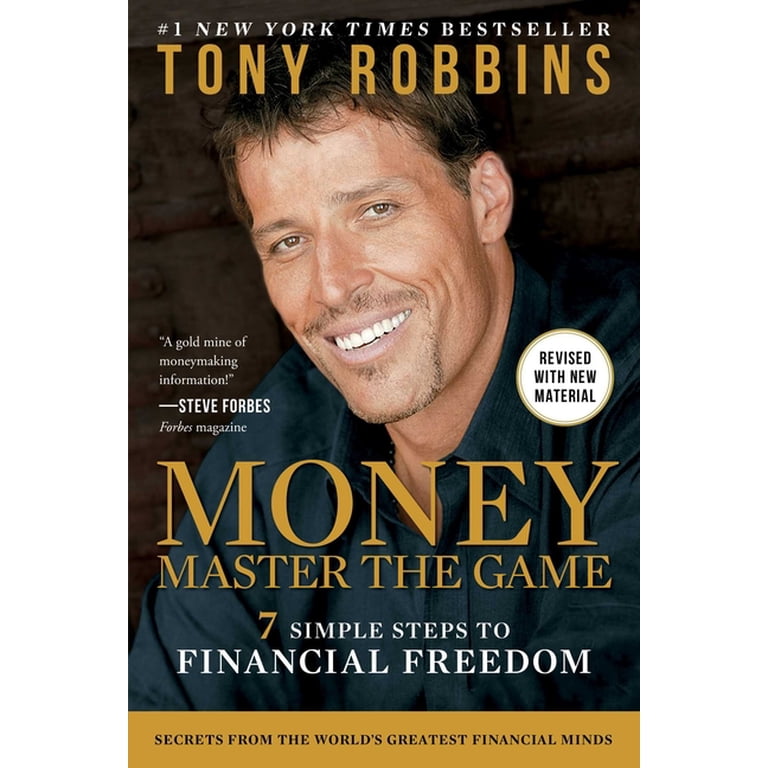
Tony Robbins presents a broad seven-step framework for saving, investing, and planning for income. It is US-oriented, so verify Canadian rules, taxes, fees, and suitability before acting on any strategy.
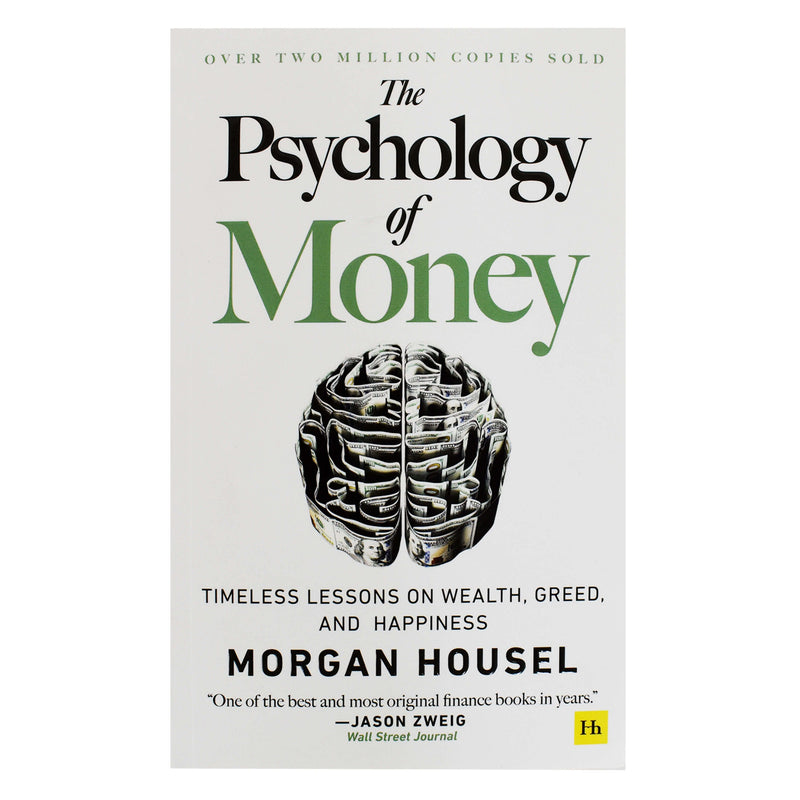
Morgan Housel's short stories explore how behaviour and personal history shape decisions about money.
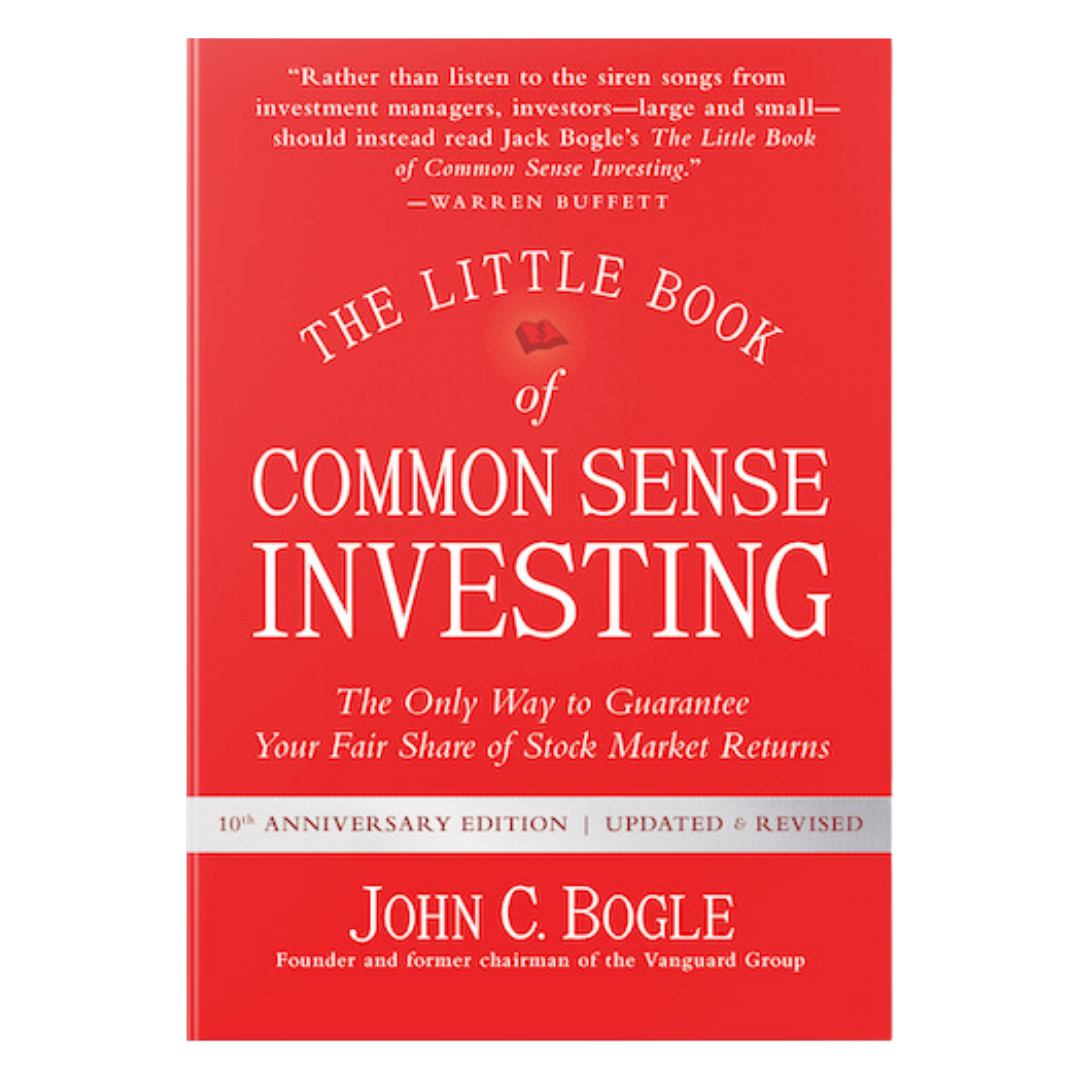
John C. Bogle presents an introduction to index investing and long-term market participation. Treat it as one perspective to learn from, not a personal recommendation.

Andrew Hallam introduces investing fundamentals in an accessible, story-led format. Use it as an educational perspective and verify current Canadian account rules and costs separately.
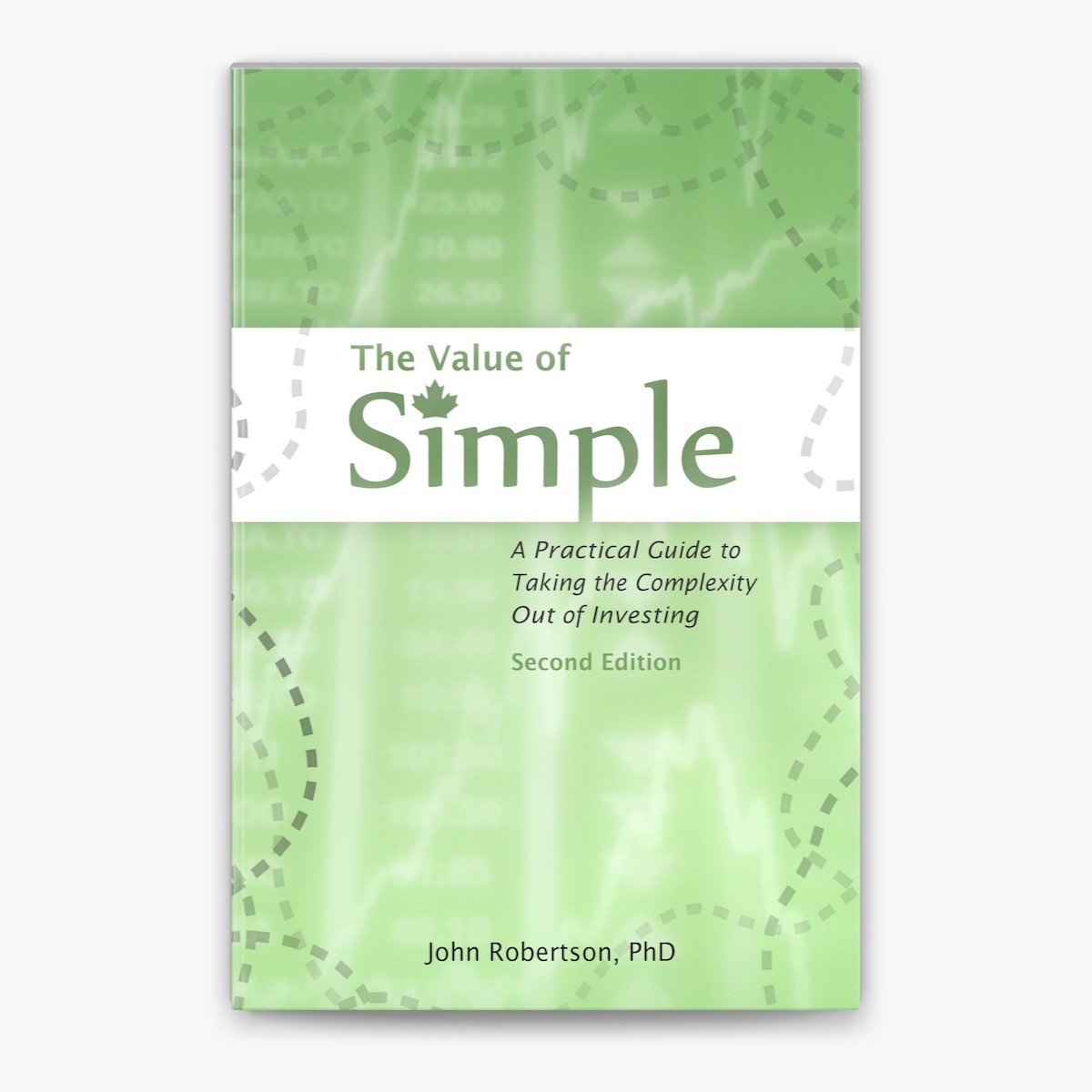
John Robertson's Canadian-focused guide covers investing concepts and the practical details that can make them feel complicated.
EXPLORE
A Canadian podcast on sensible investing and financial decision-making, with conversations about evidence, behaviour, and planning.
A Canadian investing show discussing companies, markets, strategies, and Canadian investing considerations. Episodes may discuss individual securities; treat them as material to evaluate, not instructions to trade.
EXPLORE
The Canadian Securities Administrators' National Registration Search can help you check whether an individual or firm is registered.
The Ontario Securities Commission's investor education site covers risk, time horizon, fees, account types, and common investing questions.
KEEP EXPLORING